
How to Choose the Best Go Karts for a Commercial Rental Track: A Complete Buyer’s Guide
Opening a go-kart track requires critical equipment decisions. This guide breaks down how to evaluate frame durability, engine types (gas vs. electric), and safety systems from a manufacturer's perspective to maximize your ROI.
How to Choose the Best Go Karts for a Commercial Rental Track: A Complete Buyer’s Guide
Opening a commercial go-kart track requires a substantial capital investment, and your single biggest expense—and revenue driver—will be your fleet. Over the last decade at Changfeng Kart, we’ve seen dozens of track owners make the fatal mistake of buying karts based purely on the lowest price tag, only to watch their profit margins eaten away by constant maintenance and track downtime within the first six months.
If you want a fleet that runs reliably for 10 hours a day, 7 days a week, you need to understand the engineering reality of a commercial rental kart. Here is exactly what we tell track operators to look for before signing any manufacturing contract.
1. Gas vs. Electric: The Real Operating Cost Breakdown
The debate between gas and electric karts is no longer just about eco-friendliness; it’s a strict logistical and financial decision.
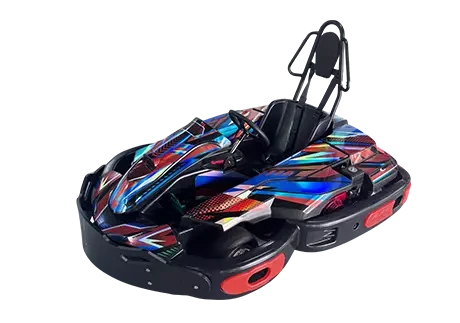
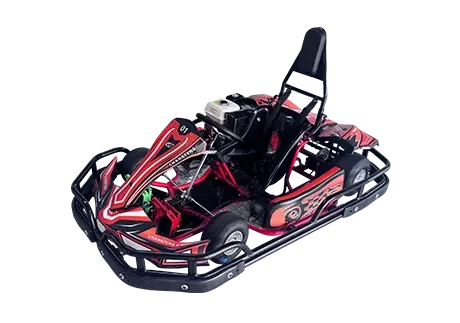
Gasoline Karts (160cc - 270cc): For outdoor tracks, classic four-stroke engines remain the undisputed kings. They offer that raw, vibrating racing roar that enthusiasts crave. The upfront cost is lower, and mechanical parts are universally understood by any local mechanic. However, if you are running an indoor track, gas karts require massive, expensive HVAC ventilation systems to handle carbon monoxide emissions—often adding 15% or more to your initial building build-out costs.
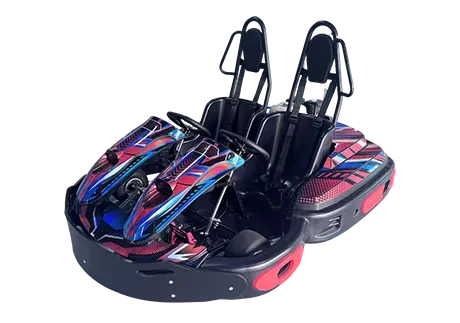
Electric Karts: Electric is dominating the modern indoor market. They offer instant, zero-delay torque, which feels incredibly fast to amateur drivers. More importantly, they eliminate emissions and significantly lower your daily maintenance (no oil changes, no spark plugs, no clutch wear). The catch? A much higher upfront acquisition cost and the reality of battery degradation. You must calculate a battery replacement cycle into your 3-year ROI projection.
2. Chassis Engineering: Why Steel is Non-Negotiable
A rental kart does not live the pampered life of a private racing kart. It will be slammed into tech-pro barriers, T-boned by overambitious teenagers, and driven over curbs all day long.
Standard carbon steel frames will develop micro-fractures and metal fatigue under this level of abuse, leading to structural failure within a year. whereas cheaper steel permanently bends or cracks. Look for a minimum tube diameter of 32mm to 40mm for commercial operations.
3. Comprehensive Crash Protection Systems
Your chassis shouldn't take the brunt of the impact. A premium commercial kart must feature a heavy-duty, wrap-around protection system. Look for high-density polyurethane (HDPE) or heavy EPDM rubber bumper systems that encircle the entire perimeter of the kart.
Furthermore, ensure the bumper is mounted to the chassis via shock-absorbing rubber dampeners rather than rigid steel brackets. This dual-layer defense system absorbs the kinetic energy of a crash, protecting both the driver’s spine and the kart's vital mechanical components.
Summary for Track Owners
When sourcing your fleet, don't just look at the shiny bodywork. Ask the manufacturer for the specific steel grades, brake system redundancy, and engine warranty terms. At Changfeng Kart, we build our rental fleets with one goal in mind: keeping your cars on the track and out of the repair bay.
Written by
Changfeng Kart Engineering Team
Senior Go-Kart Industry Consultants | 15+ Years Manufacturing Experience
Our engineering team has delivered 500+ go-kart projects across 50+ countries, specializing in commercial kart design, track engineering, and venue operations. Every article is reviewed by our technical directors to ensure accuracy and practical value for entertainment venue investors and operators.